Food for Allin 366 Days.
Nigeria should not have to depend on avoidable food shortages, excessive imports, seasonal production constraints and preventable waste when it has substantial agricultural potential.
Seven pillars
- 01MechanisationRemove the drudgery
- 02Land, Water and Improved AgronomyImprove yields and reduce dependence on rainfall
- 03Research, Development and CommercialisationScale proven research into practice
- 04Soil Health and Sustainable InputsMaintain long-term soil fertility
- 05Digital and Precision AgricultureTechnology where it improves productivity
- 06Integrated Renewable EnergyReliable power for agro-industry
- 07Zero-Waste Agriculture, Aggregation and LogisticsConvert losses into marketable food
Produce more.Waste less. Feed Nigeria.
Produce more food locally
Expand year-round production through irrigation, improved agronomy, suitable crop varieties, mechanisation and better access to land and water.
Build domestic production capacity
Evaluate the time and cost of importing food against the opportunity to produce, process and distribute competitive Nigerian alternatives.
Reduce the cost of food
Pursue major cost reductions through mechanisation, efficient inputs, better yields, reduced post-harvest losses, processing and logistics.
How the model works.Seven integrated components.
Our model connects land, water, improved agronomy, agricultural research, digital technology, renewable energy, mechanisation, processing, storage, logistics, housing and investment into one coordinated development framework.

Mechanisation — Remove the drudgery
Eliminate the three major sources of physical drudgery — bending to clear, bending to weed and bending to harvest — so agriculture is attractive to young people and commercially productive for farmers.
Land, Water and Improved Agronomy — Improve yields and reduce dependence on rainfall
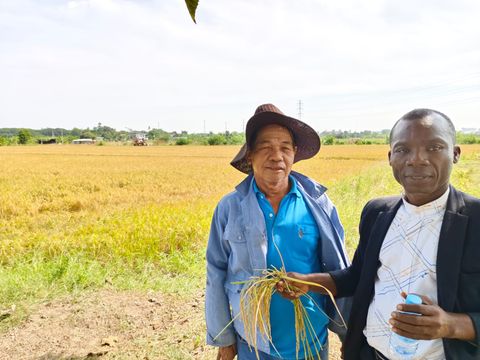
Promote a proposed target of at least 50,000 hectares of suitable agricultural land per state, supported by irrigation, soil assessment, responsible land-use planning and Good Agricultural Practices (GAP).
Research, Development and Commercialisation — Scale proven research into practice
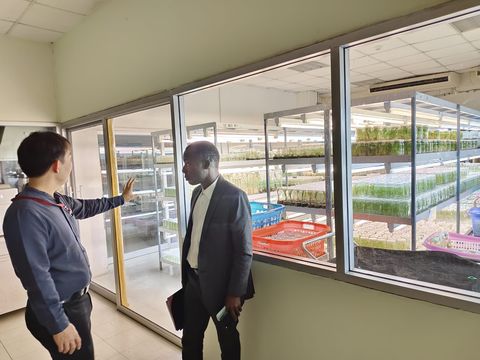
Accelerate the commercial adoption of the top 10 relevant research innovations for each of the 13 priority food categories.
Soil Health and Sustainable Inputs — Maintain long-term soil fertility
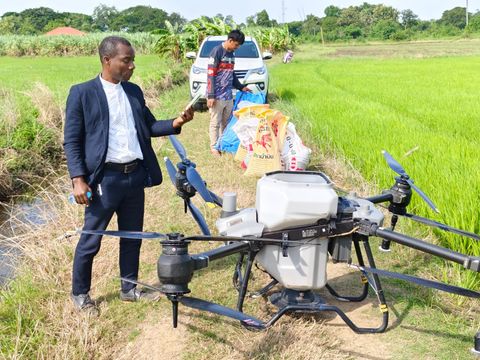
Encourage responsible organic farming, composting, suitable manures, efficient fertiliser use and soil testing.
Digital and Precision Agriculture — Technology where it improves productivity
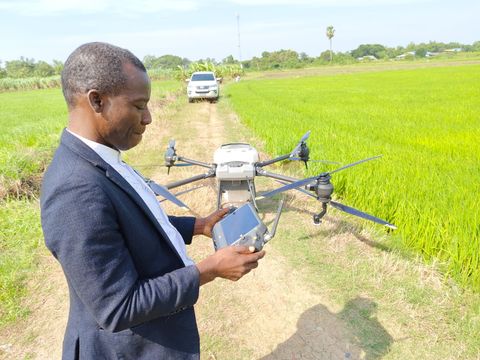
Introduce digital extension services, farmer training platforms, drones, robotics, autonomous machinery, greenhouses, hydroponics, aquaponics and smart irrigation.
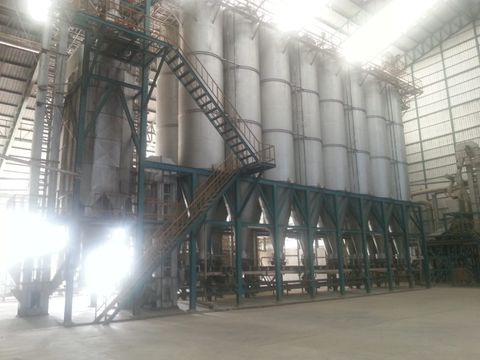
Proposed biomass power per centre
Integrated Renewable Energy — Reliable power for agro-industry
Develop reliable power solutions using appropriate combinations of solar, biomass, gas and wind resources.
Zero-Waste Agriculture, Aggregation and Logistics — Convert losses into marketable food
Identify and recover preventable food losses through aggregation centres, digital inventory systems, modern warehouses, cold chains, improved packaging, processing and reliable transportation.
From Food Scarcityto Food Abundance.
The cost of food can be reduced substantially when inefficiencies across the entire value chain are addressed.
- Raising productivity through improved agronomy, suitable seeds, mechanisation and irrigation.
- Reducing avoidable expenditure on labour, inputs, energy and transportation.
- Improving post-harvest handling, drying, storage and cold-chain capacity.
- Connecting farmers directly with aggregators, processors, wholesalers and institutional buyers.
- Expanding domestic processing to retain more value within Nigeria.
- Building competitive export-oriented agricultural industries.
Long-term ambition
Investigate a target of reducing production costs for 13 priority food categories by up to 75% in suitable, validated production systems, alongside significant productivity improvements; evaluate the contribution of expanded output, processing, exports, import substitution and related industries to national growth. A proposed US$250 billion GDP contribution is an ambitious long-term programme hypothesis requiring rigorous macroeconomic modelling, a defined measurement period and independent validation before it can be presented as a forecast. Priority: establish measurable baselines, demonstrate viable production models and scale interventions supported by evidence.
These figures describe the proposed programme and its ambitions, not completed achievements. Production-cycle targets will vary by crop, location, climate and operating conditions.
Growing Food.Protecting Our Future.
Agricultural expansion should create lasting economic value without compromising the natural resources on which future food production depends.
7 Sustainable Practices
Responsible growth- Efficient use of water and energy
- Soil conservation and responsible nutrient management
- Integrated pest management
- Productive use of suitable agricultural residues
- Reduced food losses and avoidable waste
- Responsible land acquisition and community engagement
- Environmental and social impact assessment where required
Guiding principle: Agricultural expansion should create lasting economic value without compromising the natural resources on which future food production depends.
From visionto measurable results.
1
Preparation and validation
Programme design, corporate documentation, commodity selection, land and water assessments, stakeholder consultations, feasibility studies and investment structuring.

2
Pilot Smart Agro Centre
Select a suitable pilot location, validate production economics, test technology, establish baseline indicators and demonstrate selected value chains.
3
Infrastructure and commercial operations
Develop viable production, energy, storage, processing, digital and logistics infrastructure, subject to financing and approvals.
4
Replication across the six zones
Scale the model to additional locations based on verified performance, regional advantages and secured funding.
5
National markets and exports
Strengthen supply contracts, product quality, processing, traceability, export compliance and long-term commercial sustainability.
Be part ofthe transformation.
Together, we can turn agricultural potential into productive farms, affordable food, competitive industries, thriving communities and sustainable economic growth.
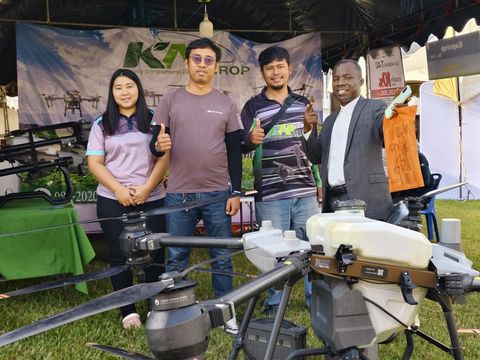
National Smart Agro Conference 2026